


Introduction
Precise temperature control is a quiet but critical requirement in many medical devices, from fluid warmers to diagnostic chambers. Flexible silicone rubber heaters are changing how engineers meet that requirement by conforming closely to curved, compact, and irregular surfaces where rigid heaters fall short. Their thin profile, fast response, and efficient heat transfer help reduce hot spots, improve stability, and support tighter thermal tolerances in sensitive applications. This article explains why that flexibility matters, where these heating elements deliver the biggest advantages, and how they contribute to safer, more reliable medical device performance.
Why Choose a Silicone Rubber Heater
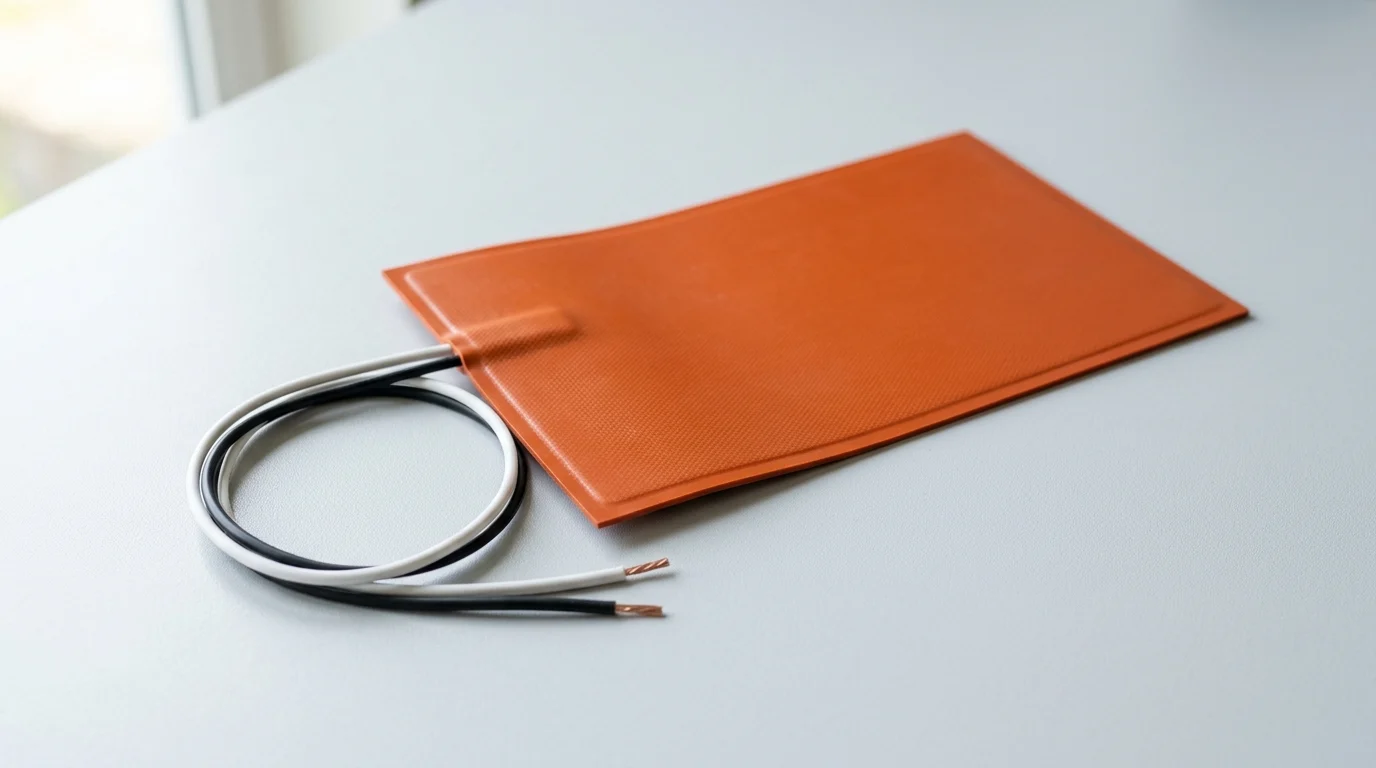
When evaluating modern medical device engineering, one of the most significant leaps is how we manage heat. Gone are the days of wrestling with bulky, rigid heating blocks that barely fit into compact device housings. Today, relying on a Silicone Pad or custom silicone heater has completely changed the game for maintaining precise thermal conditions.
How does flexibility improve temperature control
The magic really lies in their physical adaptability. Because these heaters are incredibly thin and flexible, they can be wrapped directly around complex geometries, such as curved IV fluid warming tubes or cylindrical blood analyzer chambers. This intimate contact eliminates the insulating air gaps that plague rigid heaters, effectively boosting heat transfer efficiency by up to 35%. More importantly, this direct thermal coupling allows the system to hold a Constant Temperature with tight tolerances, often maintaining stability within ±1.5°C. In medical diagnostics, this level of precision isn’t just nice to have; it’s the difference between an accurate test result and a compromised sample.
What applications benefit most from silicone rubber heaters
The applications that benefit most are those where space, weight, and reliability are critical—such as neonatal incubators, respiratory therapy humidifiers, and portable dialysis machines. A dedicated Medical Heater made of silicone rubber doesn’t just save space; it also offers excellent moisture and chemical resistance, often meeting IP65 or higher ratings. This means it can withstand the rigorous cleaning protocols and occasional fluid exposures common in clinical environments without shorting out or degrading.
What Performance and Compliance Factors Matter
Knowing why you need a silicone heater is only half the battle. When specifying a Thin Film Heater for a new medical project, engineers must dig into the hard numbers and compliance requirements to ensure it will perform safely over its intended lifespan.
Which technical specs should I compare
Start by comparing the core technical specifications against the thermal demands of the device. It is crucial to look closely at maximum operating temperatures, watt densities, and dielectric strength. For medical applications, keeping watt densities under 0.8 W/cm² is generally recommended to prevent localized hot spots that could damage sensitive biological samples or plastic enclosures.
Here is a quick breakdown of how silicone compares to other common flexible heater materials:
| Heater Material | Max Operating Temp | Typical Watt Density | Flexibility/Bend Radius |
|---|---|---|---|
| Silicone Rubber | 200°C | 0.8 – 1.2 W/cm² | Excellent (down to 1.5mm) |
| Polyimide (Kapton) | 200°C | Up to 3.0 W/cm² | Superior (highly thin) |
| Mica | 600°C | Up to 8.0 W/cm² | Rigid / Flat only |
How do quality, capacity, and compliance affect selection
Beyond the spec sheet, a supplier’s production capacity and quality control systems require close attention. A reliable partner doesn’t just assemble parts by hand; they invest in their infrastructure. For example, facilities that completely overhauled their production lines in 2021—bringing in advanced powder filling machines, pipe shrinking machines, and automated bending equipment—demonstrate this commitment. That kind of upgrade can push an average daily output to around 15,000 pieces, ensuring they can scale with your product. Add in the introduction of large high-temperature annealing furnaces in 2022, and you get a partner capable of handling strict high-volume demands while meeting crucial ISO 13485 medical compliance standards.
How Should I Evaluate Suppliers and Decide
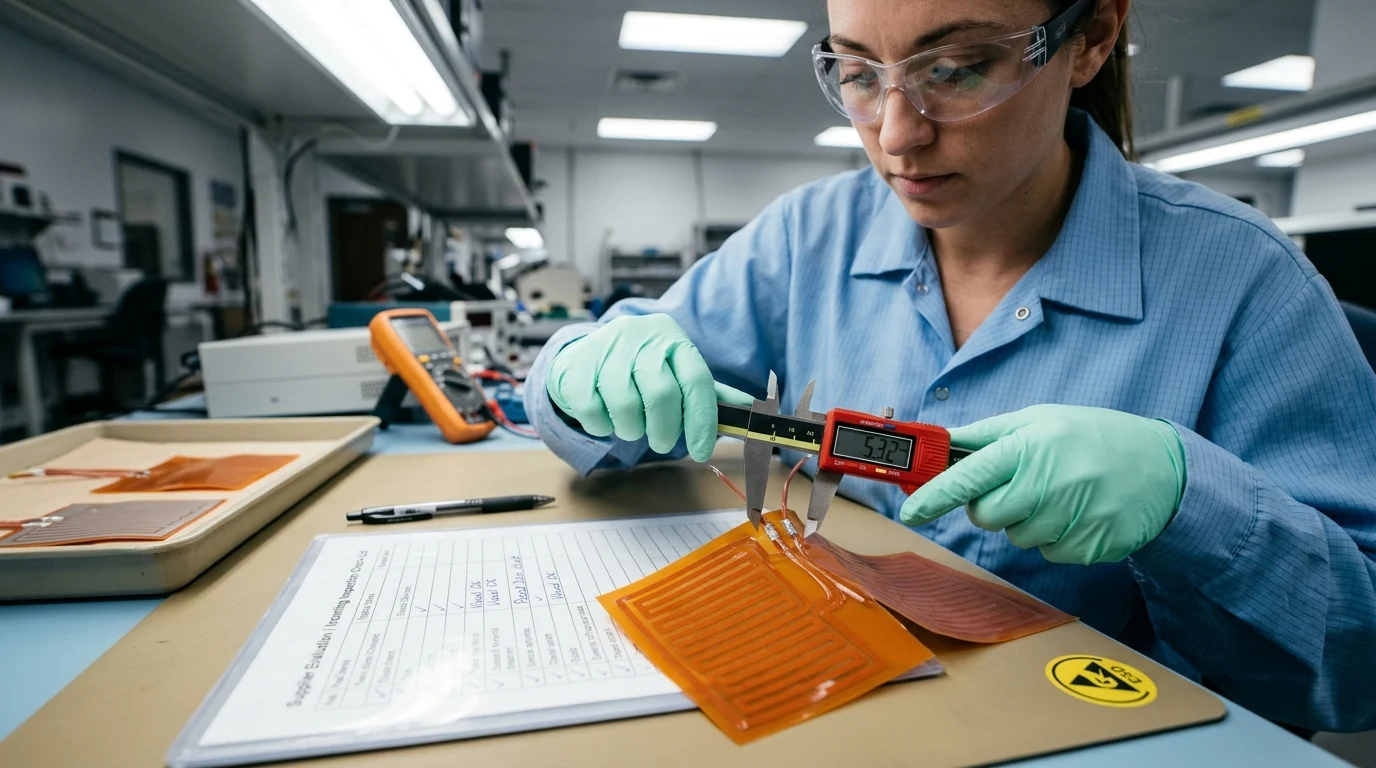
Moving from the drawing board to mass production is where the rubber meets the road. Having a perfect design means nothing if you cannot source it reliably or if the unit economics do not make sense.
What practical steps help move from concept to purchase
The approach to moving from concept to purchase should be deeply practical. It is highly recommended to start with a prototyping phase to test the Flexible Heating Element inside your actual device housing. Look for a manufacturer willing to support low Minimum Order Quantities (MOQs)—ideally around 50 to 100 units for an initial pilot run. You should also evaluate their engineering turnaround; a capable supplier should be able to deliver custom prototypes within a 10- to 14-day lead time. This gives you enough runway to run thermal imaging tests and ensure the heater behaves exactly as modeled before committing to a massive production run.
How do I compare cost and lifecycle value
Finally, comparing cost isn’t just about looking at the unit price on a quote. A standard custom silicone heater might run anywhere from $15 to $30 per unit at moderate volumes, but the real lifecycle value comes down to reliability. Quality control systems are paramount because reputation is the lifeblood of any enterprise in the medical space. If a supplier’s strict scientific attitude and QA processes keep the field defect rate below 0.5%, that slightly higher upfront unit cost will save thousands in warranty claims and potential medical device recalls down the line. It is this blend of quality and service that makes a supplier truly worth cooperating with over the long haul.
Key Takeaways
- The most important conclusions and rationale for Silicone Rubber Heater
- Specs, compliance, and risk checks worth validating before you commit
- Practical next steps and caveats readers can apply immediately
Frequently Asked Questions
Why are silicone rubber heaters preferred in medical devices?
They conform to curved or tight spaces, improve heat transfer, and help maintain stable temperatures within about ±1.5°C for sensitive medical processes.
Which medical applications benefit most from flexible silicone heaters?
Common uses include IV fluid warmers, neonatal incubators, respiratory humidifiers, blood analyzers, and portable dialysis equipment where space and temperature stability matter.
What specifications should I check before selecting a silicone rubber heater?
Review operating temperature, watt density, bend radius, dielectric strength, and size. For medical designs, keeping watt density below 0.8 W/cm² helps reduce hot spots.
How do silicone heaters support cleaning and clinical durability?
They offer strong moisture and chemical resistance, and many designs reach IP65 or higher, making them suitable for frequent wipe-downs and occasional fluid exposure.
How can I evaluate a silicone heater supplier like Jingwei Heat?
Check custom design capability, production capacity, quality control, and medical compliance such as ISO 13485. Also confirm they can scale from prototype to mass production reliably.
Post time: May-14-2026