


Introduction
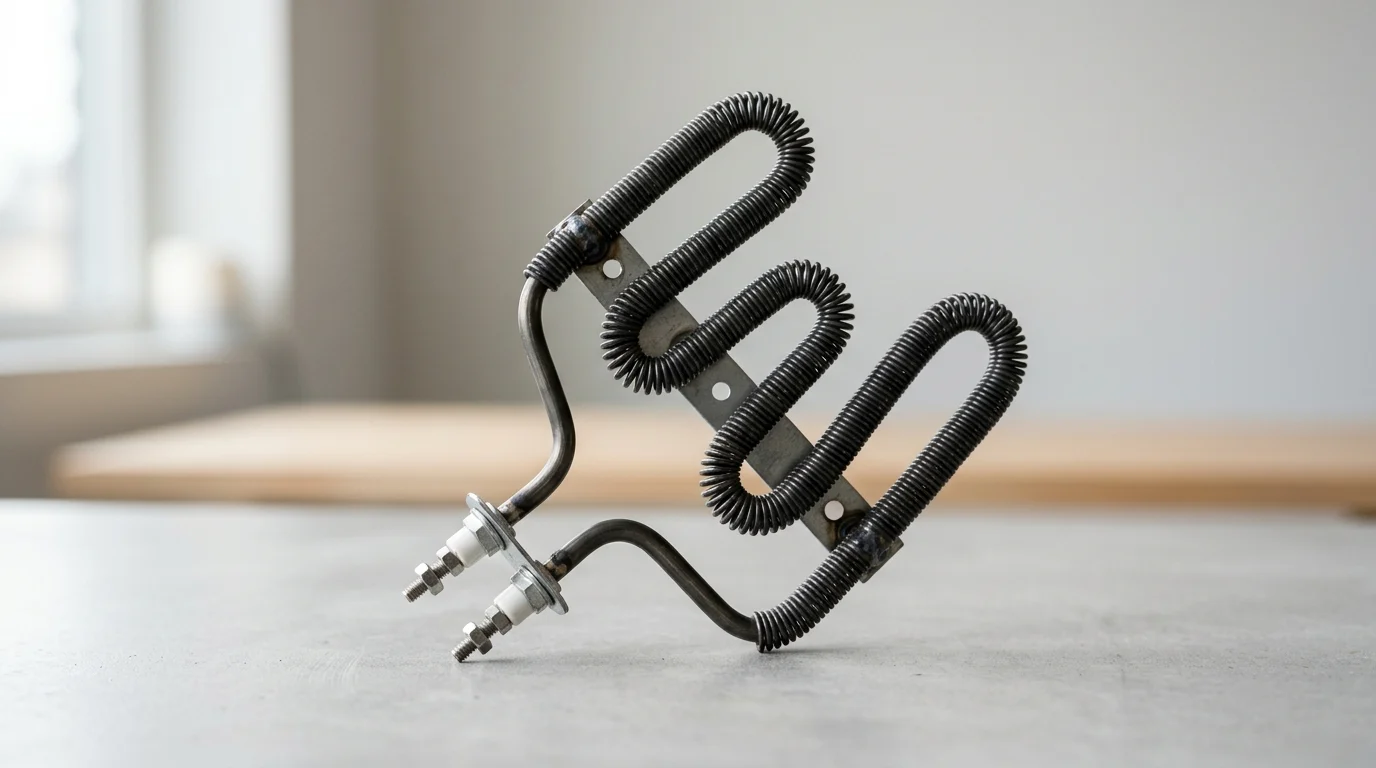
Pressure to cut emissions in appliance supply chains is changing how oven heating elements are made, from the alloys in the sheath to the insulating materials packed inside. This article looks at how manufacturers are replacing high-impact virgin inputs with recycled metals and lower-footprint materials while still meeting strict demands for heat resistance, durability, and safety. You’ll see which material choices matter most, how sustainable production affects performance and cost, and why these changes are becoming important for both residential and commercial oven design.
How Sustainable Manufacturing Shapes Oven Heating Element Design
Analyzing the supply chain for commercial and residential appliances reveals a clear shift toward green manufacturing. Historically, an oven heating element required energy-intensive metallurgy and virgin minerals. Today, OEMs are pushing for a 20% to 30% reduction in embodied carbon across their supply chains by 2030. This aggressive target forces a rethink of how these crucial thermal components are built, moving away from legacy processes to sustainable, closed-loop systems.
Eco-Friendly Materials for Oven Heating Elements
Historically, alloys and insulating powders used in heating elements were mined and processed with a heavy environmental toll. Now, there is a massive pivot toward Eco-friendly oven heaters that utilize advanced recycling techniques. Instead of relying purely on virgin nickel, iron, and chromium, modern foundries blend high-grade industrial scrap to produce stainless steel and Incoloy sheaths. This approach significantly reduces the energy required for smelting while maintaining the extreme temperature resistance needed for baking, broiling, and self-cleaning cycles.
Commercial Drivers Behind Sustainable Design
Altruism is not the only factor driving this shift; the commercial incentives are substantial. Regulatory frameworks like RoHS and REACH set strict limits on hazardous substances, but the primary financial driver is manufacturing efficiency. By adopting sustainable, lean manufacturing protocols, top-tier factories have dropped raw material scrap rates from a typical 4% to under 1%. Less waste means lower overhead. When producing millions of units annually, fractions of a penny saved on scrap reduction add up to serious margin improvements, proving that green design is also good business.
Best Materials and Process Choices for Sustainable Ovens
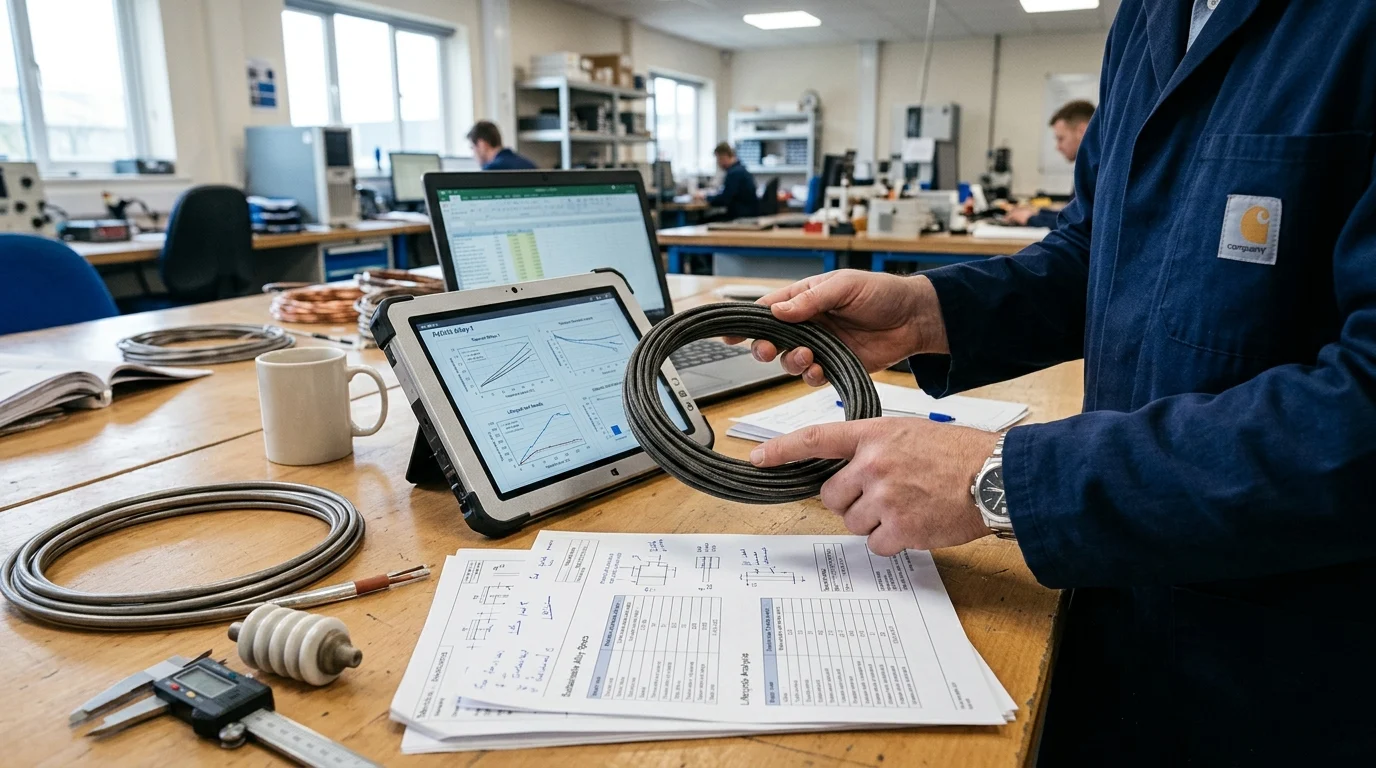
Examining the bill of materials for a modern appliance reveals that the difference between a legacy heater and a sustainable one usually comes down to smart material selection and optimized geometries. Manufacturers cannot simply swap out a metal; the thermal dynamics must match or exceed legacy specifications. For instance, optimizing the density and purity of internal insulation can boost overall thermal efficiency by 12% to 15%, meaning the oven uses noticeably less electricity over its standard 10-to-15-year lifespan.
Recycled Alloys, Low-Impact Insulation, and Sheath Optimization
The industry standard is actively moving toward 300-series stainless steels and Incoloy 800/840 with at least 60% post-industrial recycled content. Inside the tube, using low-impact, high-purity Magnesium Oxide (MgO) powder is critical for efficient heat transfer. Sheath optimization is also increasingly common. By improving the structural integrity of the alloys, engineers can reduce the wall thickness of Recyclable heating tubes from a standard 0.8mm to 0.6mm. This 25% reduction in material not only saves metal but also speeds up heat transfer, significantly reducing the appliance’s preheat time.
How to Compare Sustainable Oven Options
Comparing these options requires a matrix that balances thermal performance against environmental impact. Here is a quick breakdown of how traditional builds compare to optimized sustainable designs:
| Specification | Traditional Element | Sustainable Element |
|---|---|---|
| Sheath Material | Virgin Incoloy / Stainless Steel | 60%+ Recycled Alloy |
| Wall Thickness | 0.8mm – 1.0mm | 0.6mm (Optimized) |
| Insulation (MgO) | Standard density | High-compaction, low-waste |
| Embodied Carbon | Baseline (100%) | ~25-30% Reduction |
| End-of-Life | Landfill / Mixed Scrap | 100% Recyclable |
How to Choose a Sustainable Oven Heating Element Strategy
Sourcing these components requires more diligence than simply sending a purchase order to the cheapest vendor. Adopting a sustainable oven heating element strategy means evaluating the entire lifecycle of the partnership. Procurement teams must balance environmental targets with logistical realities, such as the fact that custom eco-friendly production runs might initially carry higher Minimum Order Quantities (MOQs)—sometimes hitting 5,000 to 10,000 units to justify specialized, highly monitored alloy batches.
How to Qualify Suppliers and Verify Environmental Claims
The first step is weeding out greenwashing. Auditing a new supplier goes beyond marketing brochures to examine their ISO 14001 environmental management certifications. Ideal partners demonstrate audit scores consistently above 85/100, alongside clear documentation of their wastewater treatment and factory energy sources. Securing genuinely Compliant heating components means requesting material test reports (MTRs) that prove recycled content percentages and guarantee the absolute absence of restricted heavy metals.
How to Make the Final Selection
Making the final selection usually comes down to Total Cost of Ownership (TCO). While a highly optimized, sustainable element might carry a 3% to 5% premium on the initial piece price, the downstream benefits almost always outweigh the upfront cost. Advantages include better thermal efficiency, a stronger marketing angle for eco-conscious consumers, and reduced end-of-life disposal liabilities. Running a pilot batch through standard accelerated life testing (ALT) protocols is highly recommended. Once it is verified that the thinner sheaths and recycled alloys can withstand 10,000+ thermal cycles without degrading, committing to the sustainable option becomes a straightforward, data-backed decision.
Key Takeaways
- The most important conclusions and rationale for Oven Heating Element
- Specs, compliance, and risk checks worth validating before you commit
- Practical next steps and caveats readers can apply immediately
Frequently Asked Questions
What makes an oven heating element more sustainable?
Using 60%+ recycled stainless steel or Incoloy, high-purity low-waste MgO insulation, and thinner optimized sheaths can cut embodied carbon by about 25%–30%.
How can buyers verify eco-friendly claims from a heating element supplier?
Ask for ISO 14001 certification, material test reports showing recycled content, and compliance documents for RoHS/REACH and restricted heavy metals.
Do sustainable oven heating elements affect performance?
Yes—when properly engineered, they can maintain high-temperature durability and improve heat transfer, often helping reduce preheat time and long-term power use.
What materials are commonly used in eco-friendly oven heating elements?
Common choices include 300-series stainless steel or Incoloy 800/840 sheaths with recycled content, plus high-compaction Magnesium Oxide for efficient insulation.
Can Jingwei Heat support custom sustainable oven heating element projects?
Yes, custom solutions should be discussed based on alloy choice, compliance needs, and order volume; request technical and certification details through Jingwei Heat directly.
Post time: Apr-23-2026