


Introduction
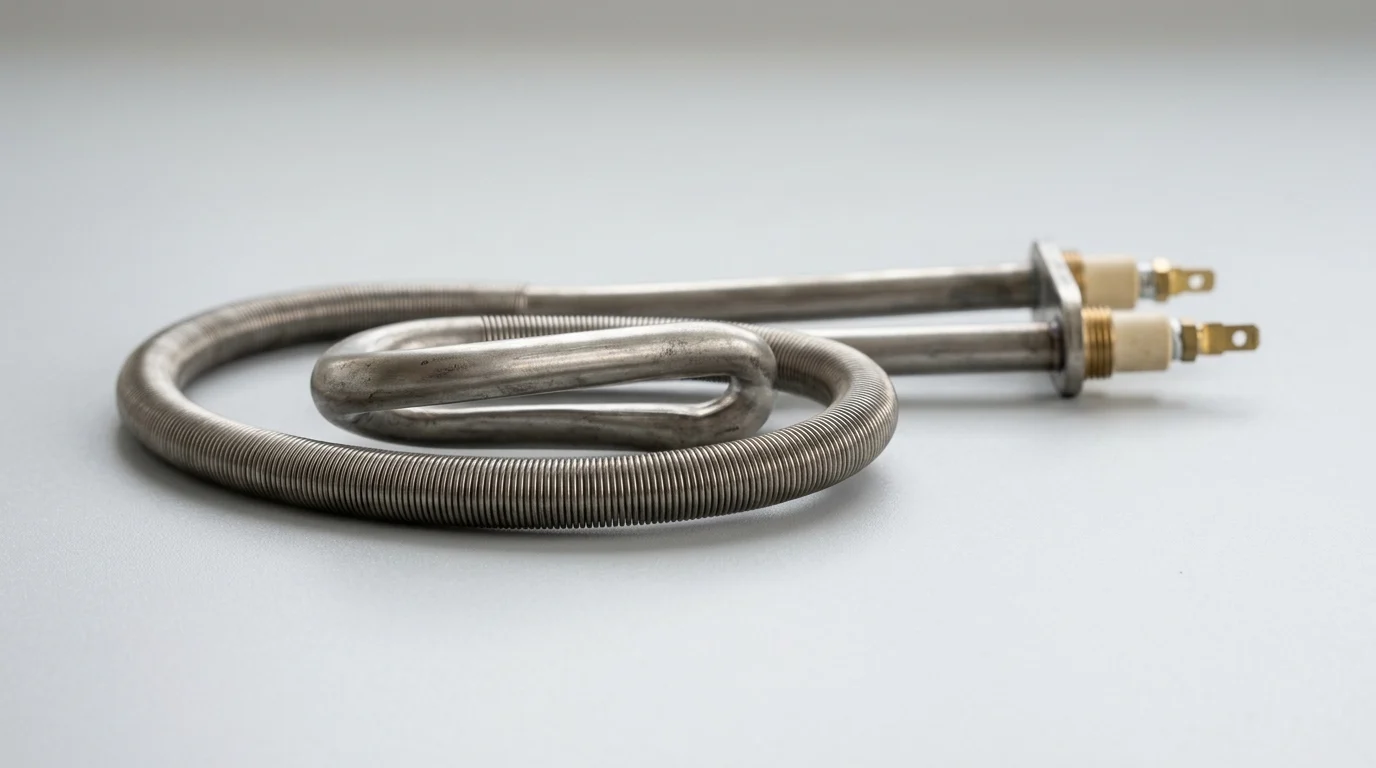
Oven heating elements fail less from simple age than from repeated exposure to extreme heat, moisture, grease, and oxidation inside the cavity. That is why ceramic-coated designs are increasingly replacing bare metal elements in both commercial and premium residential ovens. The coating acts as a protective barrier, helping the element resist corrosion, maintain performance, and last far longer under demanding cooking and self-cleaning cycles. Understanding this shift explains more than a materials trend: it shows how manufacturers are improving reliability, reducing replacements, and setting new expectations for appliance lifespan. The sections that follow examine what ceramic coatings do differently, why durability improves so sharply, and where these elements make the biggest practical impact.
Why Ceramic-Coated Oven Heating Elements Are Gaining Attention
If you spend time around commercial and high-end residential appliance manufacturing, you have likely noticed a major shift in thermal technology. The industry used to rely almost entirely on bare stainless steel or Incoloy for heating elements, but there is now a massive pivot toward ceramic coatings. Replacing a burnt-out element is a headache for consumers and a warranty nightmare for manufacturers.
Standard metallic elements often start degrading after roughly 3,000 hours of aggressive high-temperature use. By applying an advanced ceramic layer, that operational lifespan can be pushed past the 10,000-hour mark. This leap in longevity is not just a minor upgrade; it completely changes how manufacturers approach oven design and lifecycle expectations.
How to frame the shift to ceramic-coated elements
To understand this shift, it is helpful to look at what drives appliance failures. When standard elements are exposed to continuous roasting, baking, and self-cleaning cycles, they face severe oxidation. Heat is not the only enemy—it is the combination of heat, moisture, and food splatters. Upgrading to a Ceramic heating element creates a physical barrier that stops this chemical degradation. It is no longer just about generating heat; it is about protecting the heat source from the harsh environment of the oven cavity.
What distinguishes a ceramic-coated oven heating element
What exactly makes these coated elements different from traditional ones? At their core, they still use a high-quality resistance wire packed in magnesium oxide powder and encased in a metal sheath. The difference lies on the outside. A specialized, high-emissivity ceramic slurry is bonded to the metal sheath and cured at extreme temperatures. This is far more than a simple paint job. The resulting Professional oven components can comfortably handle operating temperatures up to 850°C without flaking or spalling. The coating bonds at a molecular level, allowing it to expand and contract with the underlying metal during rapid heating and cooling cycles.
How Ceramic-Coated Oven Heating Elements Improve Durability
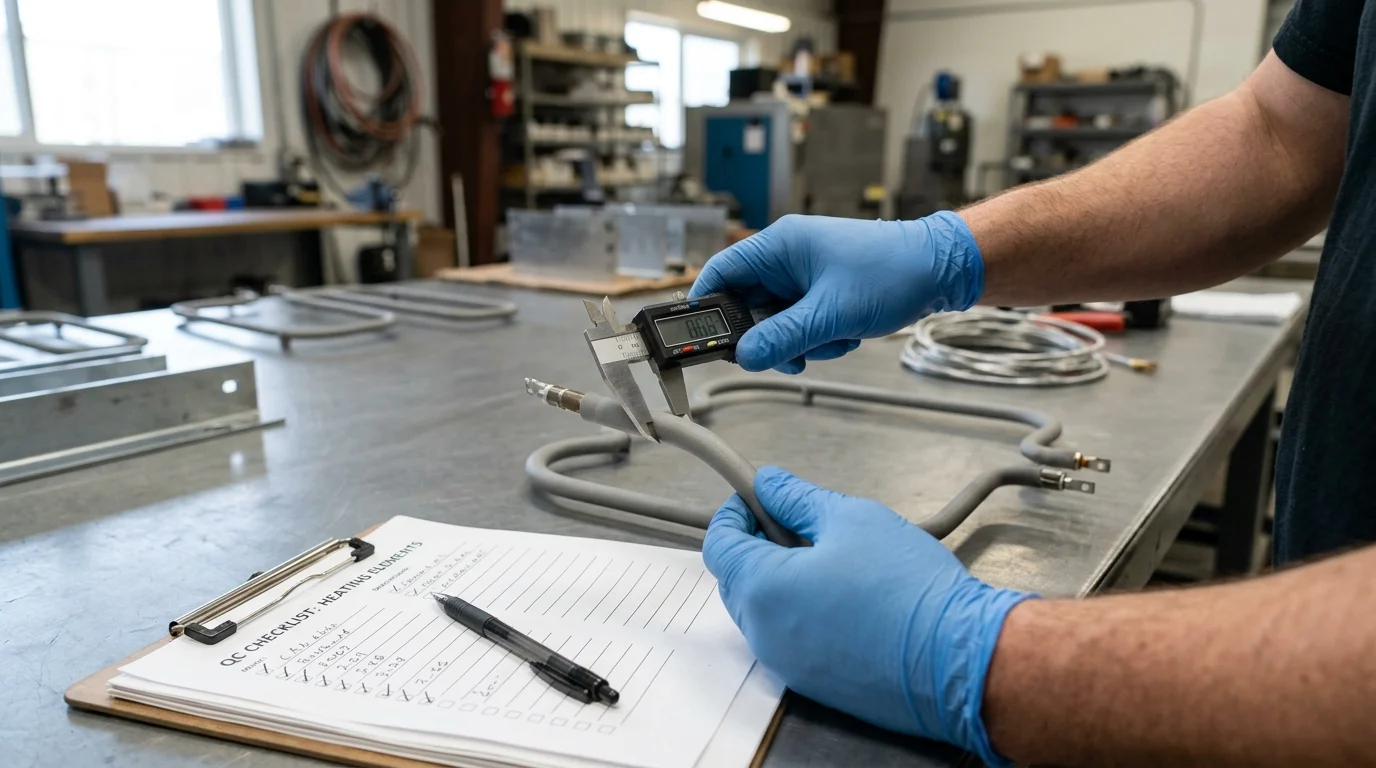
When building a tougher oven, durability is paramount. In failed field units, the root cause is rarely the resistance wire snapping on its own. It is almost always an environmental attack leading to a breach in the outer sheath. Ceramic coatings directly address these vulnerabilities, transforming a fragile component into a rugged powerhouse.
By sealing the micro-porosities found in standard metal sheaths, manufacturers can drastically reduce the chances of a catastrophic short circuit. Testing shows that implementing a ceramic barrier can reduce oxidation-related defects by over 40% in high-humidity baking applications.
Which durability factors matter most
The durability factors that matter most are corrosion resistance and thermal shock tolerance. Ovens are brutal environments. A self-cleaning cycle can spike to 500°C, followed by a cool-down, and then a blast of steam from a baker’s water bath. A bare metal sheath will eventually succumb to pitting under these conditions. By utilizing an Anti-corrosion heater design with a ceramic glaze, the metal is effectively isolated from corrosive salts and fats. Furthermore, the dielectric strength is vastly improved. Industry standards typically look for a baseline dielectric strength of 1500V/min, and the ceramic layer acts as an extra failsafe against electrical leakage even if the internal MgO insulation is compromised.
What comparisons best show performance differences
Raw data provides the clearest comparison. When standard materials are evaluated side-by-side with ceramic-coated alternatives, the performance gap becomes undeniable. Here is how these Durable oven coils stack up against traditional options:
| Element Material | Avg. Lifespan (Hours) | Max Operating Temp | Corrosion Resistance | Relative Cost |
|---|---|---|---|---|
| Bare Stainless Steel (304) | ~3,000 | 650°C | Low | 1.0x |
| Incoloy 800 | ~6,000 | 800°C | Medium | 1.5x |
| Ceramic-Coated Incoloy | 10,000+ | 850°C+ | Very High | 1.8x |
While there is a slight premium upfront, factoring in the extended lifespan and the drastic reduction in warranty claims means the total cost of ownership drops significantly over the life of the appliance.
How to Evaluate and Specify the Right Ceramic-Coated Oven Heating
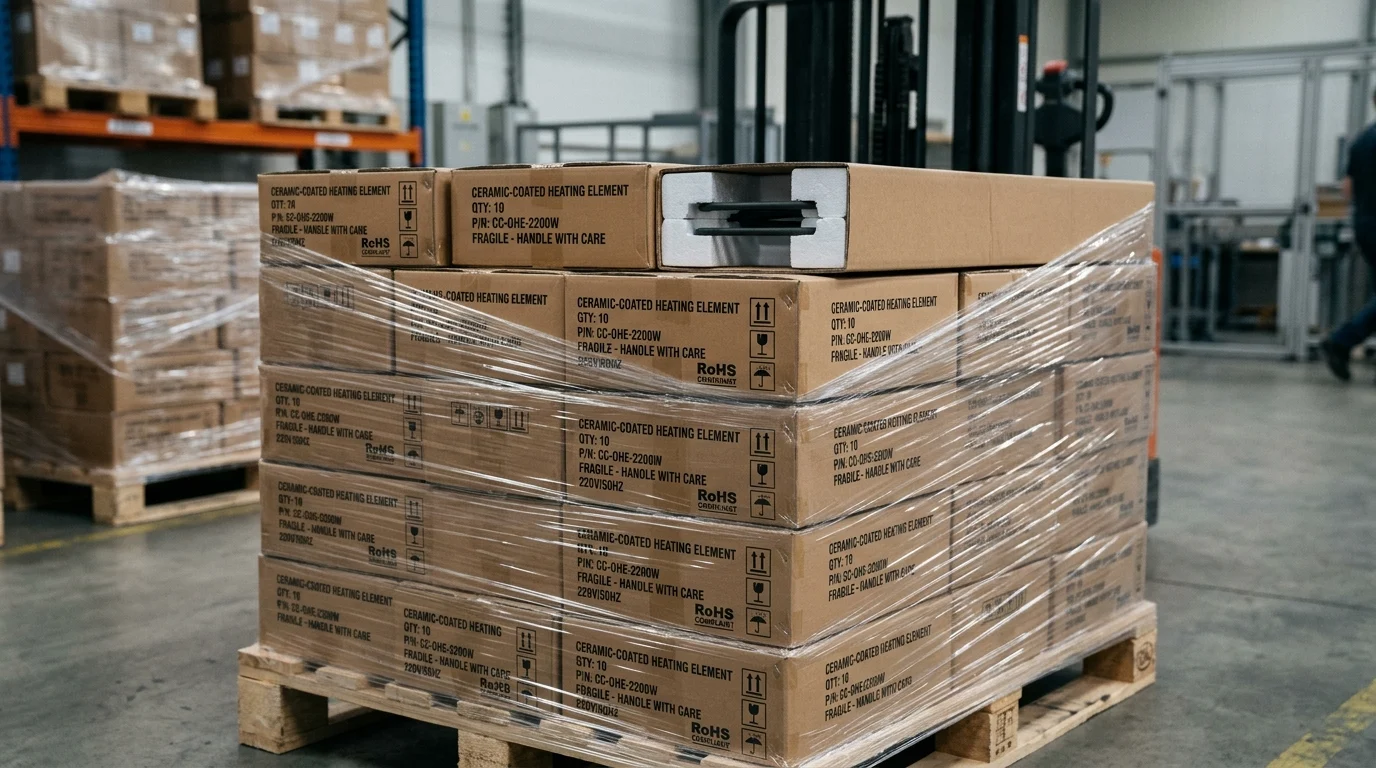
Knowing that ceramic coatings are superior is only half the battle. The real challenge is specifying the exact right component for a new appliance platform. Engineers cannot simply order a generic coated tube and hope it performs flawlessly in a highly calibrated convection oven.
Evaluating these elements requires a strategic mix of lab testing and strict supplier vetting. It is crucial to ensure that the coating thickness, the base alloy, and the electrical specs align perfectly with the thermal profile of the specific oven model being built.
What practical steps to use for evaluation
Qualifying a new batch of Heat-resistant heating tubes requires a rigorous testing protocol before committing to mass production. First, a 72-hour salt spray test verifies the integrity of the ceramic seal. If the coating is too thin or uneven, microscopic rust spots will appear. Next is the thermal cycling test: elements are heated from room temperature to 800°C and back down, repeating this 500 times to check for any spalling or micro-cracking in the glaze. From a procurement standpoint, it is recommended to start with a prototyping Minimum Order Quantity (MOQ) of around 500 units. Once those pass accelerated life testing in the actual oven chassis, production can confidently scale up to orders of 10,000 or more.
What criteria should guide the final decision
So, what criteria should actually drive the final purchasing decision?
Key Takeaways
- The most important conclusions and rationale for Oven Heating Element
- Specs, compliance, and risk checks worth validating before you commit
- Practical next steps and caveats readers can apply immediately
Frequently Asked Questions
Why are ceramic-coated oven heating elements becoming the new standard?
They last longer, resist oxidation, and handle harsh oven conditions better. In many applications, lifespan can exceed 10,000 hours versus about 3,000 hours for bare stainless steel elements.
How does a ceramic coating improve oven heating element durability?
The coating seals micro-porosities in the metal sheath, reducing corrosion, moisture attack, and short-circuit risk. It also improves thermal shock tolerance during self-cleaning and rapid temperature changes.
What temperatures can ceramic-coated oven heating elements handle?
Quality ceramic-coated Incoloy elements can typically operate at 850°C or higher. This makes them suitable for demanding commercial ovens and high-end residential appliances.
Are ceramic-coated oven heating elements worth the higher upfront cost?
Usually yes. Although they cost more initially, their longer service life and lower warranty replacement rate often reduce total ownership cost over time.
Can Jingwei Heat help specify ceramic-coated oven heating elements for my application?
Yes. Jingwei Heat supplies custom oven heater solutions and can help match coating, sheath material, watt density, and shape to your oven’s operating conditions.
Post time: Apr-23-2026