


Introduction
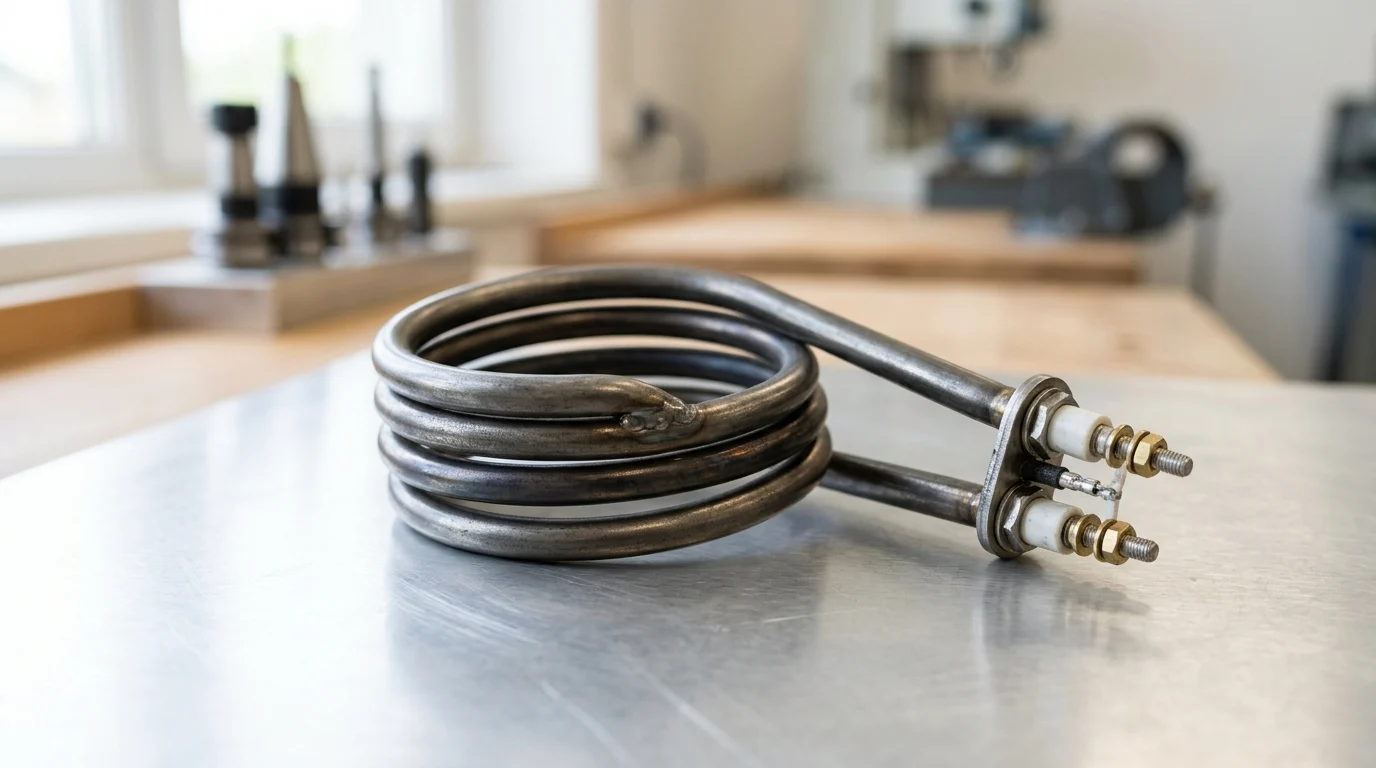
Wholesale heating tube sourcing affects far more than unit price: it influences equipment uptime, maintenance costs, lead-time stability, and the long-term reliability of industrial operations. For B2B buyers, the challenge is matching technical specifications and supplier capability to actual production needs, whether the priority is standard replacement stock or custom-engineered components. This guide explains how to evaluate heating tube suppliers, compare order models, assess quality and lifecycle performance, and negotiate around MOQ, delivery schedules, and total cost of ownership. By the end, readers will have a practical framework for making sourcing decisions that reduce risk and support consistent production.
Strategic Importance of Heating Tube Sourcing
If you’ve spent time in industrial procurement, you know sourcing the right heating tube isn’t a simple box-ticking exercise. Manufacturing lines can grind to a halt because a cheaply sourced element burned out early. Strategic sourcing in this industry is about risk mitigation, total cost of ownership, and supply chain resilience. Let’s break down why this foundational step matters before looking at a specification sheet.
Purchasing Priorities for B2B Buyers
When handling B2B Heating Tube Sourcing, purchasing priorities must balance unit cost against operational longevity. A heating element that fails after 2,000 hours instead of the industry standard 5,000 to 8,000 hours costs exponentially more in downtime and maintenance. Aim for suppliers who maintain standard lead times of 15 to 30 days for mass production to keep inventory turnover healthy. Minimum Order Quantities (MOQs) are another hurdle. Off-the-shelf parts might have zero MOQ, but custom-engineered tubes usually require upfront commitments of 500 to 1,000 units to secure bulk pricing and absorb tooling costs. If annual consumption exceeds 10,000 units, buyers have significant leverage to negotiate these MOQs down or stagger deliveries.
Applications, Buyer Profiles, and Order Models
The buyer profile dictates the overarching order model. Sourcing for an OEM appliance manufacturer usually means Just-in-Time (JIT) delivery schedules with rigid call-off quantities. Conversely, industrial machinery builders often rely on bulk stocking models because their consumption rates fluctuate. Applications are wildly diverse—from commercial fryers needing rapid heat recovery to chemical processing tanks requiring extreme watt densities up to 30 W/cm². Knowing the exact application environment, including fluid dynamics and ambient temperatures, allows buyers to push back when a vendor offers a generic solution that won’t survive specific thermal cycling demands.
Heating Tube Specifications and Supplier Evaluation

Evaluating a heating tube requires a deep understanding of metallurgy, electrical tolerances, and thermal dynamics. Comparing base materials is the first step, as the outer sheath serves as the primary defense against chemical corrosion and thermal shock. Getting specifications wrong guarantees premature failure, so it is essential to focus on the metrics that actually matter.
Key Technical Specifications
Core technical specifications are non-negotiable. Standard requirements include specific voltages (110V, 220V, or 380V for heavy industrial use) and strict wattage tolerances, usually +5% to -10% of rated power. Internal insulation is critical; high-purity magnesium oxide (MgO) powder is necessary for optimal heat transfer and preventing shorts. When sourcing Bulk Heating Elements, the sheath material dictates maximum operating temperatures. Here is a quick reference table matching common materials to their absolute thermal limits:
| Sheath Material | Typical Application | Max Operating Temp (°C) | Relative Cost |
|---|---|---|---|
| Copper | Clean water, low temp | 150°C | Low |
| SUS 304 | General liquids, mild air | 400°C | Medium |
| SUS 316L | Corrosive liquids, mild acids | 600°C | Medium-High |
| Incoloy 800 | High-temp industrial air | 800°C | High |
Supplier Comparison Criteria
When evaluating a potential Heating Tube Supplier, look beyond glossy product catalogs. Primary comparison criteria should revolve around verifiable quality control metrics. ISO 9001 is the baseline, but historical defect rates are equally important—a top-tier factory should consistently operate under a 0.5% defect rate. Compliance with environmental standards like RoHS is also essential. Furthermore, suppliers must conduct 100% inline hipot (high potential) testing and leakage current checks before packing. Traceability via laser-etched batch numbers on every tube is another mandatory requirement. For critical projects, hiring third-party agencies like SGS or TUV to conduct unannounced inspections ensures the factory’s internal data matches reality.
Sourcing and Selecting Wholesale Heating Tube Suppliers
Finding the right manufacturing partner takes serious legwork. The difference between a trading company marking up prices and a direct manufacturer isn’t always obvious. Investing time upfront in vendor verification saves months of headaches down the line when production scales. Here are the practical methods to audit facilities, select capable vendors, and finalize commercial agreements.
Practical Sourcing and Audit Steps
The sourcing process starts with aggressively filtering out middlemen. When looking for an Industrial Heating Tube Factory, cross-reference business licenses for registered capital and manufacturing scopes. During a factory audit, pay close attention to production equipment. Facilities should use automated MgO filling machines and CNC tube benders, as manual filling leads to uneven insulation and hot spots. Verify testing bench capabilities; they must perform hipot testing at 1500V/min to ensure dielectric strength. Sample lead times are another excellent indicator of agility—a capable manufacturer should turn around custom prototypes in 7 to 10 days.
Final Supplier Selection
Finalizing the selection comes down to rigorous risk management. Once a supplier passes the technical audit and initial prototypes meet 1,000-hour lifecycle testing, structure the contract to protect the supply chain. Standard payment terms for a reliable Wholesale Heating Tube order usually involve a 30% deposit, with the remaining 70% payable upon passing a pre-shipment inspection (PSI). Avoid jumping straight into full-volume production. Instead, run a pilot order of 10% to 20% of the projected annual volume to prove the supplier can maintain quality consistency at scale.
Key Takeaways
- The most important conclusions and rationale for Heating Tube
- Specs, compliance, and risk checks worth validating before you commit
- Practical next steps and caveats readers can apply immediately
Frequently Asked Questions
What heating tube lifespan should B2B buyers target?
Aim for 5,000–8,000 hours in normal industrial use. Anything closer to 2,000 hours can raise downtime, replacement, and maintenance costs significantly.
How can I verify a heating tube supplier on Jingweiheat.com?
Check product specs, quality pages, and manufacturing details on Jingweiheat.com. Ask for ISO 9001 proof, 100% hipot and leakage test records, and batch traceability samples.
Which sheath material is best for my application?
Use copper for clean water under 150°C, SUS 304 for general liquids up to 400°C, SUS 316L for corrosive media up to 600°C, and Incoloy 800 for high-temperature air up to 800°C.
What MOQ and lead time are typical for wholesale heating tubes?
Standard parts may have no MOQ, while custom tubes often require 500–1,000 units. Mass-production lead times are typically 15–30 days, depending on design and quantity.
What tests should every wholesale heating tube order include?
Require 100% inline hipot testing, leakage current checks, wattage tolerance verification, and laser-etched batch numbers. For critical orders, add an SGS or TUV pre-shipment inspection.
Post time: May-26-2026