


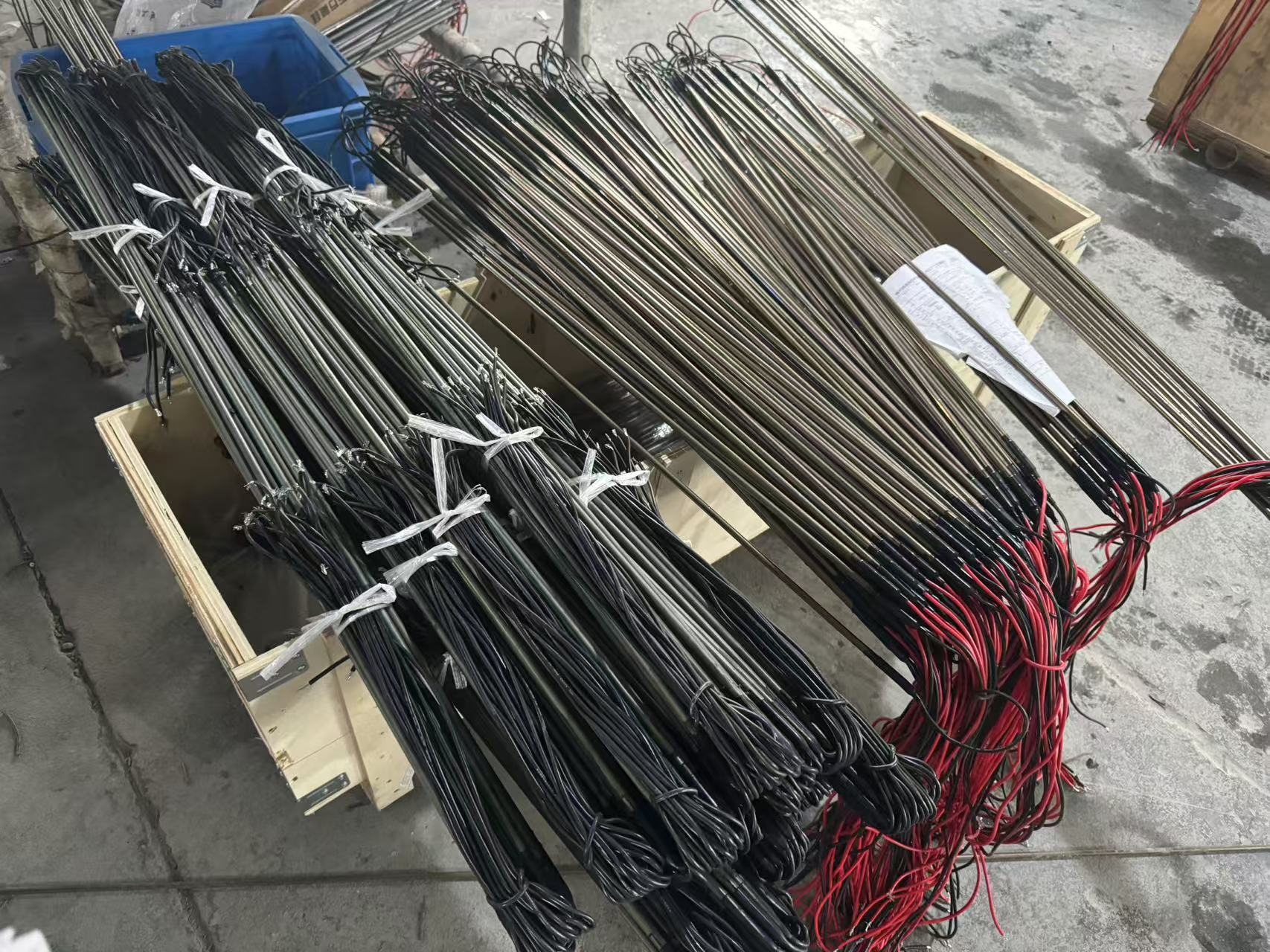
The designed service life of a standard defrost heater tube is 3–5 years (based on normal operating conditions of refrigeration equipment with 3–5 daily defrost cycles). The SUS tubular defrost heater‘s actual lifespan is heavily influenced by material & craftsmanship, application scenarios, equipment working conditions, and maintenance practices — household refrigerator models typically last 4–6 years, commercial/industrial models under high-frequency operation work for 2–4 years, premium-grade units with advanced craftsmanship can reach 6–8 years, while low-quality cheap versions may fail in just 1–2 years due to burnout, electric leakage, and other issues.
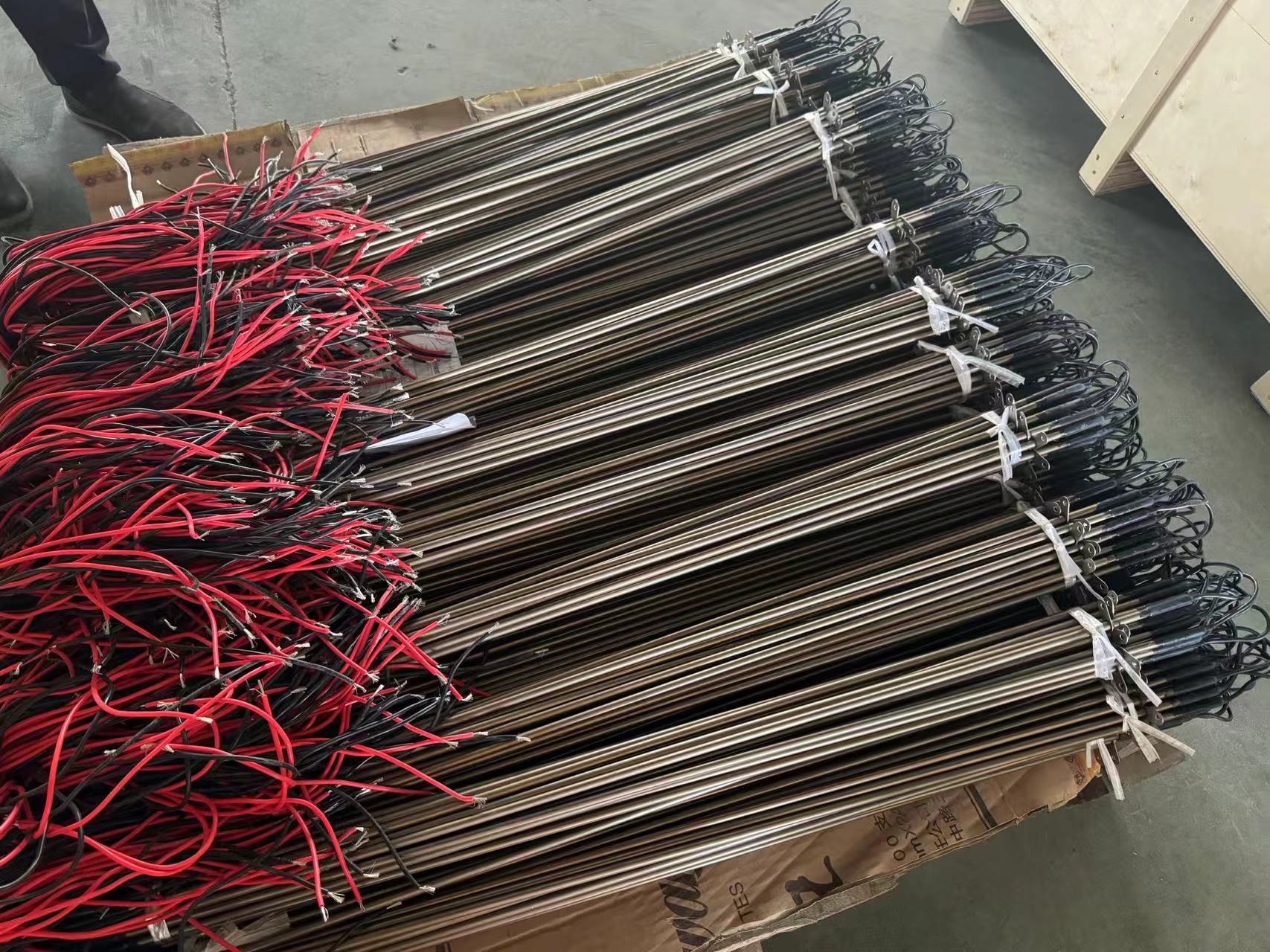
Lifespan Variations by Application Scenario (Core Influencing Factor)
1. Household Refrigerators & Small Freezers (Low-Frequency Defrost)
*** Working conditions: 1–3 daily defrost cycles, moderate ambient humidity, no oil contamination/corrosion, low-power intermittent operation of the heater tube
*** Actual lifespan: 4–6 years; some OEM high-grade models (304 stainless steel + high-purity Ni-Cr core) can last 6–8 years
2. Commercial Freezers & Supermarket Display Cabinets (High-Frequency Defrost)
*** Working conditions: 5–10 daily defrost cycles, high humidity + oil fume/condensation erosion, frequent door opening leading to thick frost layers and extended heater tube operation time
*** Actual lifespan: 2–4 years; industrial-grade thickened tube models can be extended to 4–5 years
3. Industrial Cold Storage & Large Refrigeration Units (Ultra-Low Temperature + High Power)
*** Working conditions: Ultra-low temperature (-20℃ ~ -40℃), high-power continuous defrost, mild acid-alkali corrosion in some cold storage facilities, 24/7 equipment operation
*** Actual lifespan: 2–3 years; anti-corrosion models with 316L stainless steel/titanium tubes can reach 3–5 years
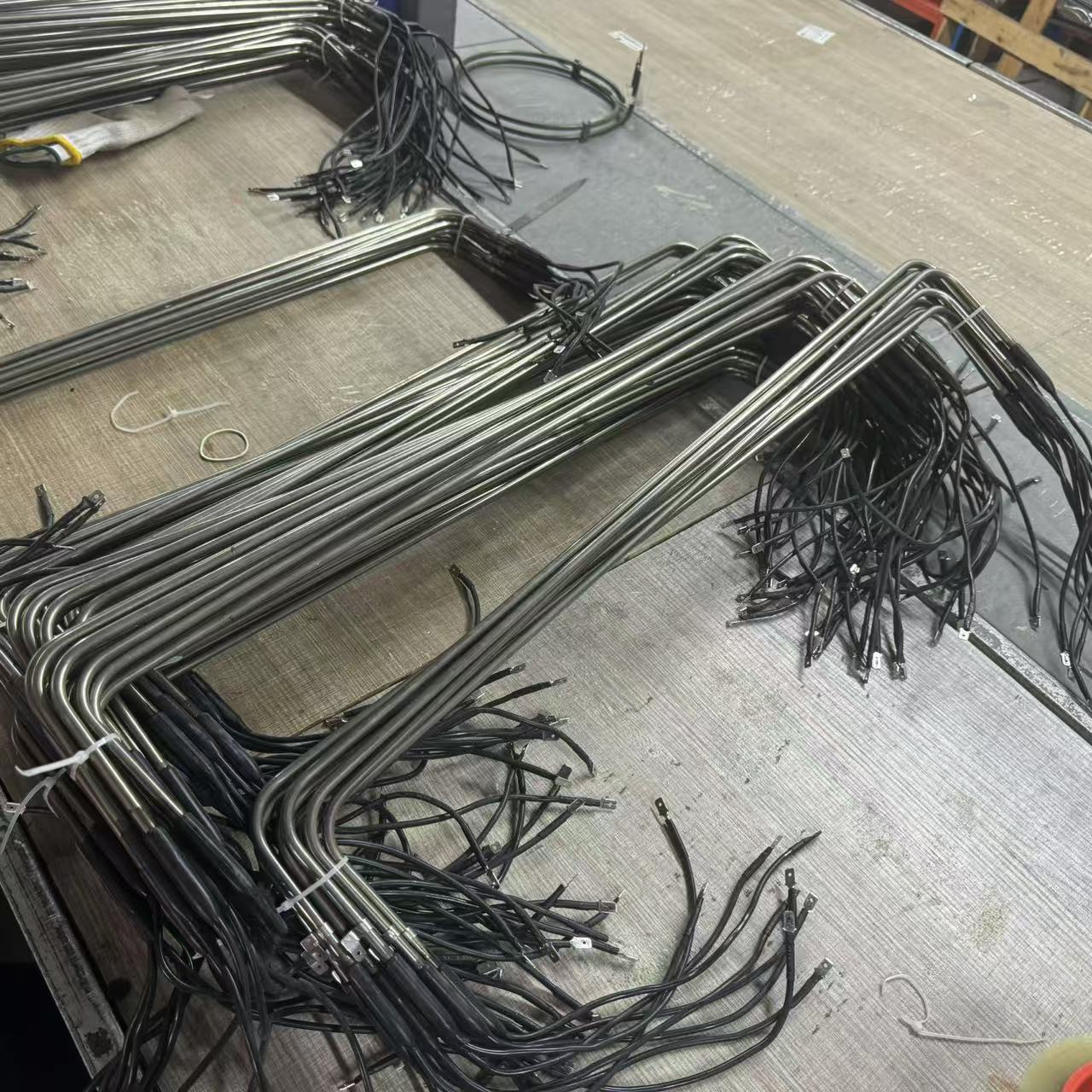
Key Material & Craftsmanship Factors Determining Heater Tube Lifespan
1. Tube material: 304 stainless steel (household/regular commercial) > galvanized/iron tubes; 316L stainless steel tubes (industrial anti-corrosion) offer a 30%–50% longer lifespan than 304 versions. Low-quality iron tubes are prone to rust and corrosion, leading to perforation and burnout in 1–2 years.
2. Heating core: High-purity Cr20Ni80 nickel-chromium alloy core (stable resistance, burnout-resistant) > regular iron-chromium-aluminum core. The former features higher thermal efficiency, non-oxidation, and twice the lifespan of the latter.
3. Filling process: Dense high-purity magnesium oxide (MgO) powder filling (excellent insulation & thermal conductivity, no gaps) > regular filling. Gaps cause core shaking and local overheating (the main cause of early heater tube failure).
4. Sealing process: One-piece seamless bending + high-temperature epoxy sealing (water/condensation proof) > welded sealing. Welded joints are susceptible to moisture ingress and oxidation, leading to electric leakage, core corrosion, and drastically shortened lifespan.
5. Terminal connections: Ceramic terminals + high-temperature silicone wires > plastic terminals + regular wires. The latter ages and short-circuits easily in high-humidity environments, triggering heater tube malfunctions.
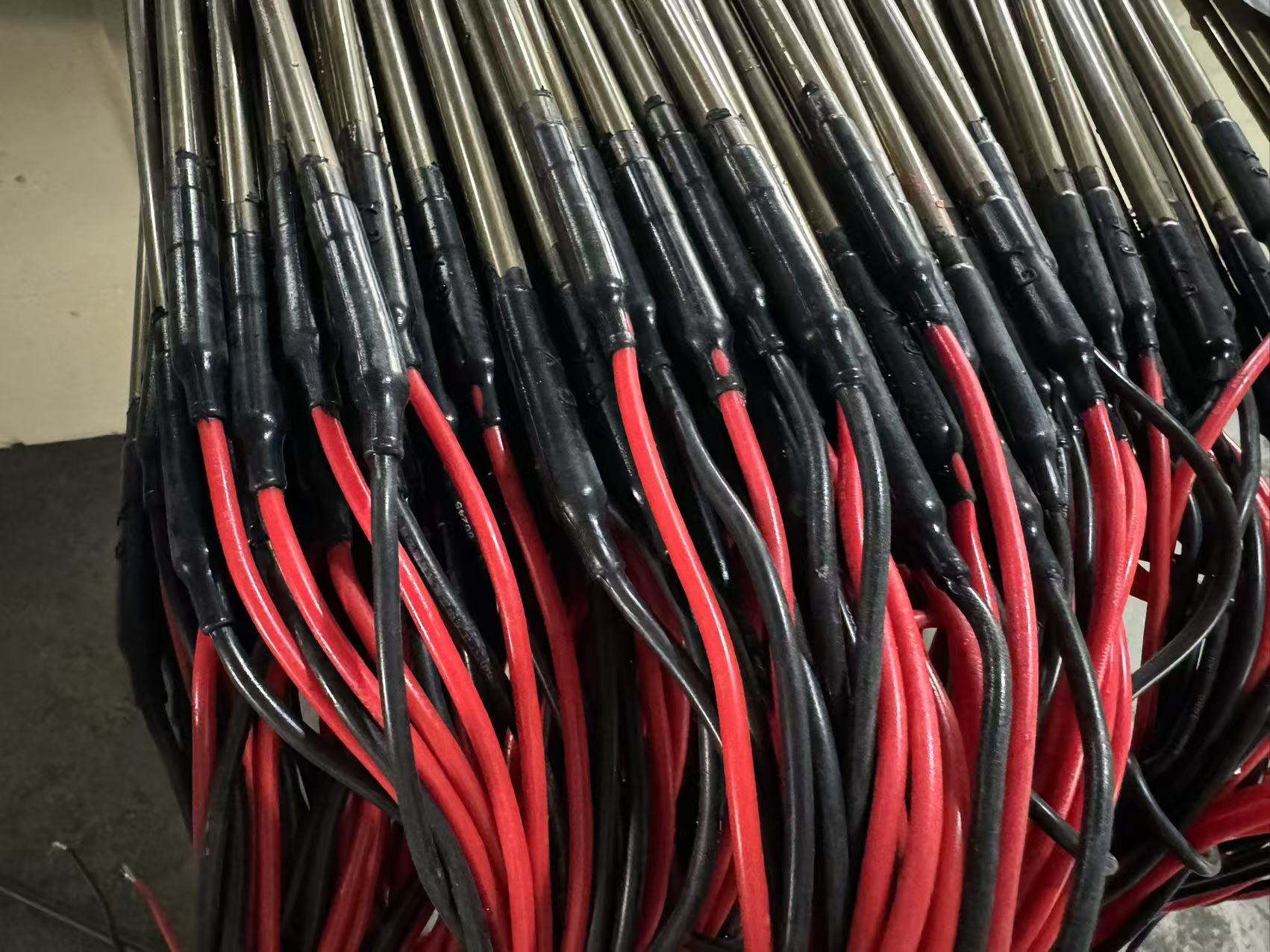
Usage & Maintenance Behaviors That Drastically Shorten Lifespan
1. Defrost thermostat failure leading to continuous dry firing of the defrosting heater tube (the most common issue) — core burnout can occur in days or months.
2. Defrosting only when the evaporator frost layer is excessively thick, forcing the heater tube to work at high power for extended periods and accelerating core oxidation.
3. Poor equipment sealing, allowing continuous ingress of high-humidity outside air — the heater tube is soaked in condensation/moisture for long periods, causing tube corrosion and terminal aging.
4. In commercial settings, oil and food residue buildup on the heater tube surface, which carbonizes and scales at high temperatures, leading to local overheating.
5. Improper installation with hard contact between the heater tube and evaporator/metal parts — vibration causes core displacement and MgO powder loss, resulting in poor contact.
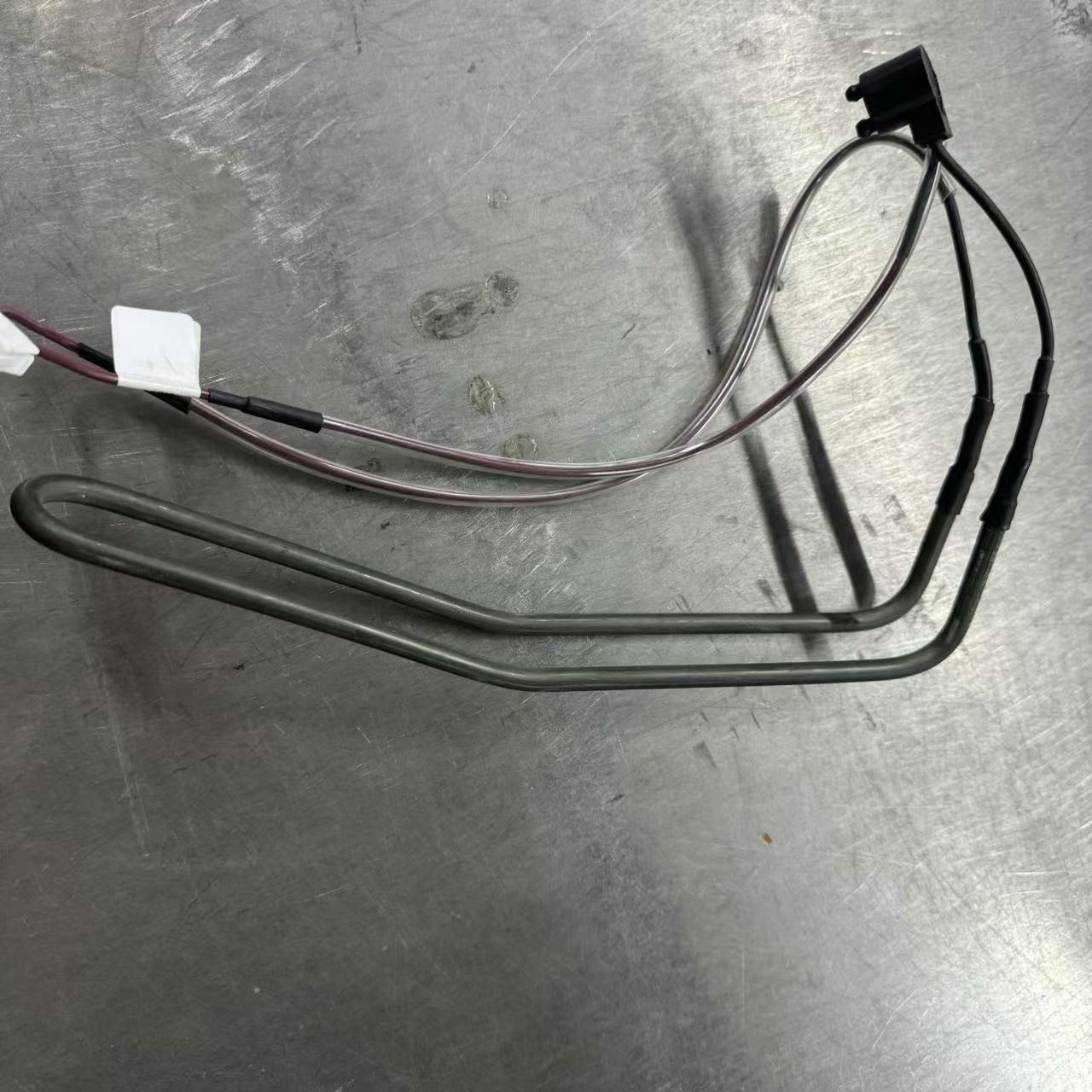
Simple Ways to Extend Defrost Heater Tube Lifespan
1. Inspect the defrost thermostat/timer regularly to ensure automatic power cut-off after defrosting and prevent dry firing.
2. Clean the evaporator frost layer of household refrigerators every 3–6 months and perform simple daily defrosting for commercial freezers to avoid excessively thick frost.
3. Maintain the integrity of the equipment door gasket to reduce outside moisture ingress and lower the defrost heater tube’s workload.
4. Wipe oil and residue off commercial tubular defrosting heater tubes regularly to keep surfaces clean and scale-free.
5. Prioritize OEM matching models or 304 stainless steel + Cr20Ni80 core heater tubes for replacement — avoid low-quality cheap alternatives.
Quick Tips: 3 Signs It’s Time to Replace the Heater Tube
1. Incomplete defrosting with thickening frost on the evaporator and a noticeable drop in refrigeration efficiency.
2. No defrost response when powered on; a multimeter test shows infinite resistance (core burnout).
3. Bulging, rusted perforations on the heater tube surface, blackened/aged terminal connections, or equipment electric leakage alarms.
Post time: Apr-03-2026