


As the “core defrosting component” of the refrigeration system of the air cooler, the defrost heating tubes of the air cooler have always been tasked with solving the problem of frost formation on the equipment and ensuring the efficiency of refrigeration. With the rapid upgrading of industries such as cold storage, food processing, and commercial refrigeration, as well as the iterative innovation of industrial air cooler technology, the defrost heater tubes are steadily developing towards the direction of high efficiency, energy saving, safety, and adaptability to various scenarios, providing a stable operating environment for refrigeration equipment in various fields and promoting the green and low-carbon transformation of the refrigeration industry.
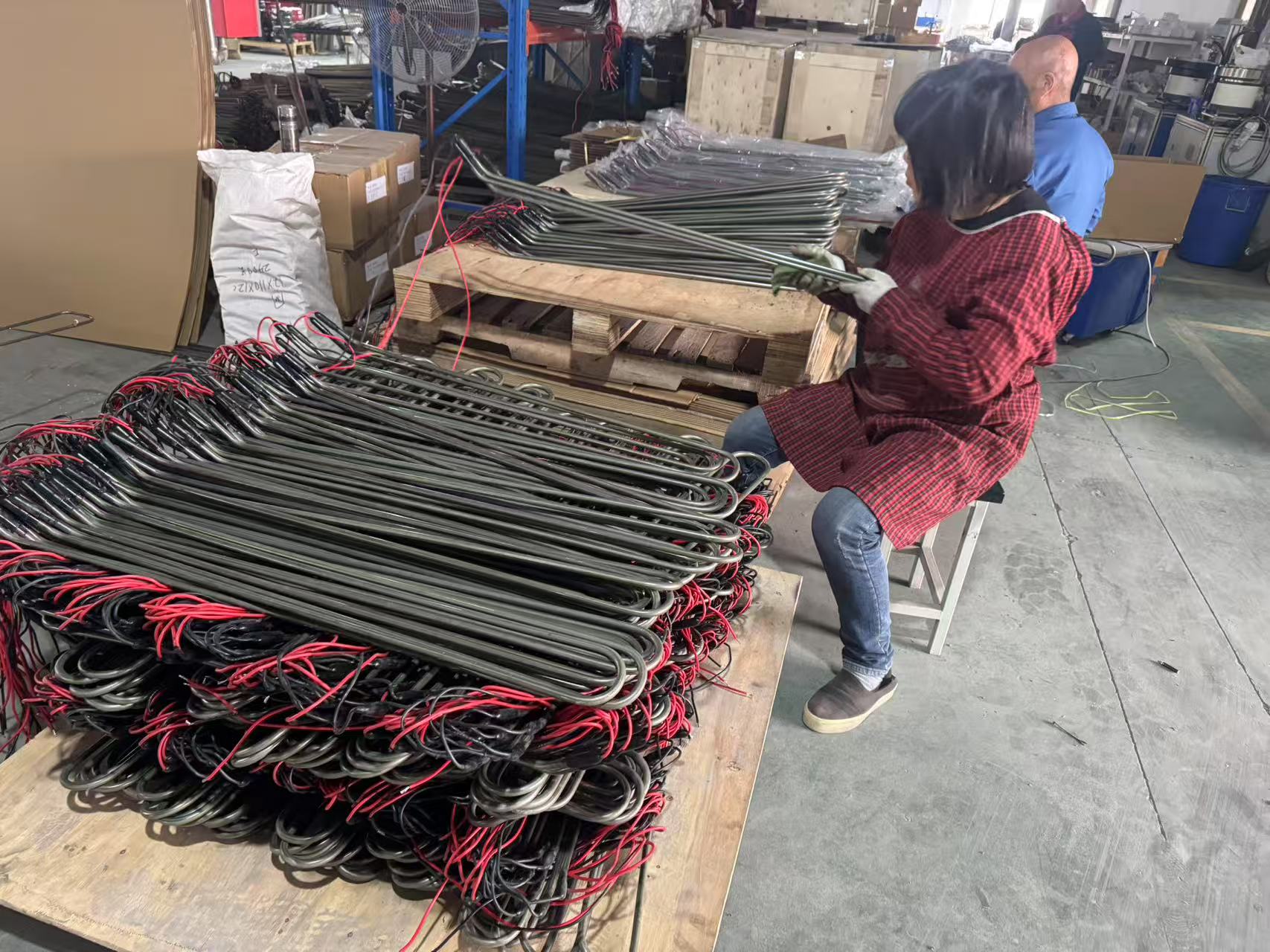
When the air cooler operates for a long time under high humidity and low temperature conditions, the surface of the evaporator is prone to form a frost layer. The thermal conductivity of the frost layer is extremely low, only about one ten-thousandth of that of copper, which significantly reduces the air flow path and increases thermal resistance, resulting in a sudden drop in equipment heat exchange efficiency, an increase in power consumption, and in severe cases, blockage of the evaporator, affecting the normal operation of the equipment and even shortening its service life. The core function of the defrost heater element is to generate heat through electrical heating, precisely melting the frost layer on the surface of the evaporator, and relying on the defrost timer or the main board combined with the temperature sensor to achieve automatic control. After defrosting is completed, it immediately cuts off the power to ensure that the refrigeration system continues to operate efficiently, achieving the dual goals of “defrosting without affecting refrigeration and energy saving without sacrificing efficiency”.
It is known that the mainstream cold air conditioner defrosting heating tubes in the current market are mostly made of stainless steel as the outer shell, with alloy electric heating wires as the heating element, and are filled with dense modified magnesium oxide powder as the insulating medium. The connection terminals are sealed by specially made rubber pressing. They can effectively adapt to the humid, corrosive and frequently cold and hot cycling working environment inside the cold air conditioner. At the same time, they can be bent into various shapes according to the equipment requirements, and flexibly embedded in the fins, evaporator surface or bottom of the water collection tray of the cold air conditioner, meeting the installation requirements of different types of cold air conditioners. Their application scenarios have been fully covered. From household air-cooled non-defrosting refrigerators, commercial supermarket display cabinets, to hotel restaurant kitchens, cold cabinets of medium and large-sized cold storages, air conditioning systems, dehumidifiers, even medical experimental equipment and vehicle refrigeration units, as long as there is a frost formation problem on the evaporator, defrosting heating tubes are required to provide frost removal protection.
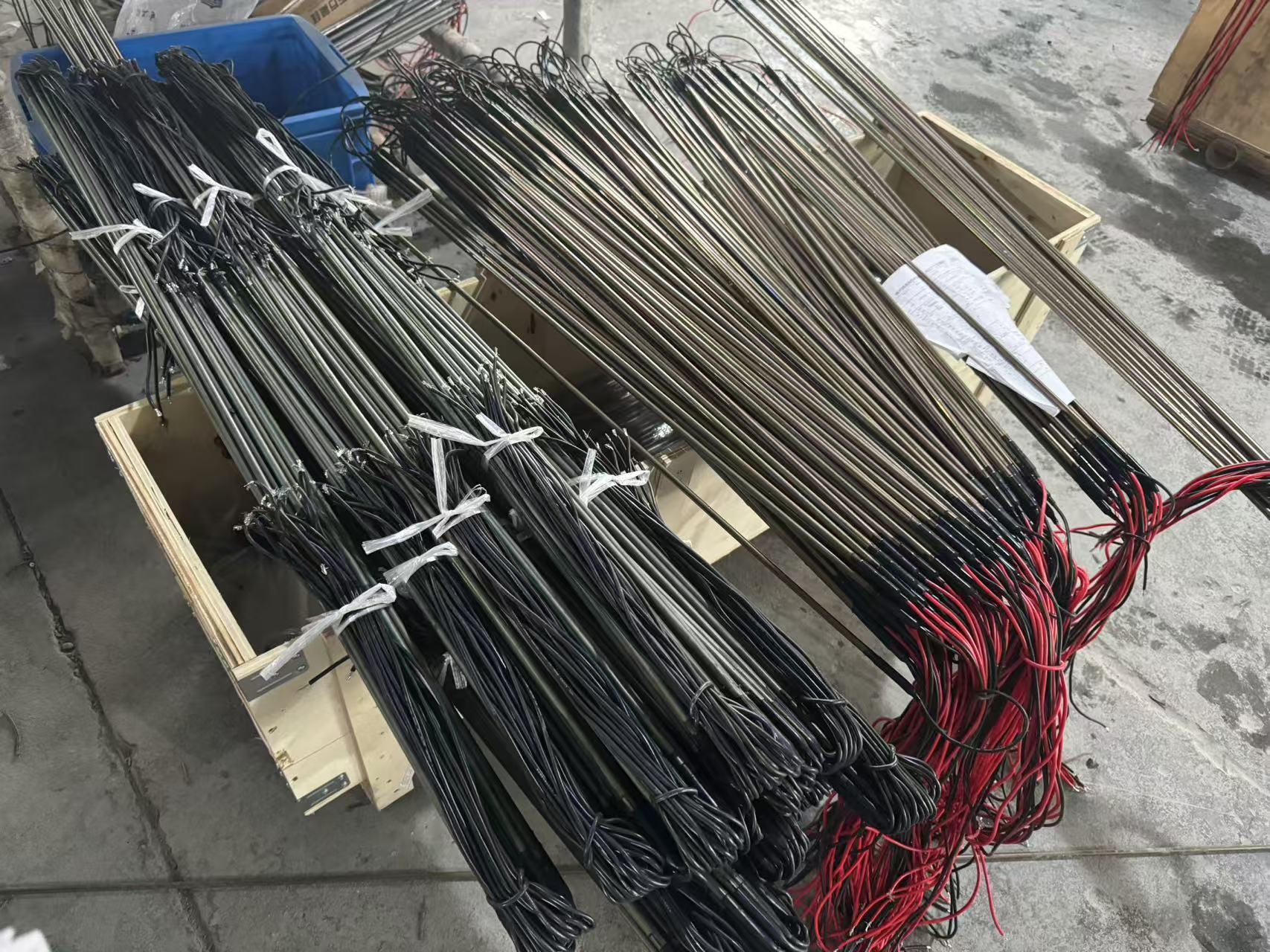
In core application fields such as cold storage, the adaptability and stability of defrosting heating tubes are particularly crucial. In high-temperature cold storages (0°C to 4°C, used for storing fruits and vegetables), stainless steel defrosting heating tubes are mostly directly used for electric heating defrosting; in low-temperature cold storages (-18°C to -25°C, used for storing frozen foods), due to more frequent defrosting needs, electric heating defrosting has become one of the main de-icing methods, complementing water flushing defrosting and hot fluoridation defrosting methods, to ensure stable cold storage temperatures and guarantee food freshness. In the industrial cold fan field, with the upgrade of defrosting technology, defrosting heating tubes are also constantly being optimized, gradually compensating for the shortcomings of traditional electric heating defrosting, which has high power consumption and significant temperature fluctuations in the cold storage, by combining with new technologies such as ultrasonic defrosting, further improving defrosting efficiency and reducing energy consumption risks, while balancing practicality and safety.
Industry data shows that since 2026, the refrigeration and air conditioning equipment sector has maintained a stable development trend. Leading enterprises such as Shenling Environment, Binghun Environment, and Xuren Group have been continuously promoting technological upgrades, driving the simultaneous iteration of upstream and downstream component industries. The defrosting heating element, as a core component, has seen a continuous increase in market demand. Currently, relevant production enterprises are focusing on technological innovation. On one hand, they are optimizing product materials and structures to enhance the thermal conductivity and service life of the heating tube and reduce energy consumption. On the other hand, they are strengthening customized research and development, launching more adaptable defrosting heating tube products for different scenarios and specifications of air coolers, to solve the industry pain points of difficult product customization and insufficient universality.
Industry insiders point out that the technological evolution of the defrosting heating tubes in air conditioners not only affects the operational efficiency and lifespan of the refrigeration equipment, but is also closely related to the stability of cold chain logistics, food safety assurance, and the continuity of industrial production. In the future, as the green and low-carbon concept is further promoted, and new technologies such as ultrasonic defrosting are deeply integrated with electric heating defrosting, the defrosting heating tubes will further upgrade towards higher efficiency and energy saving, intelligent control, and safety and environmental protection. They will continuously improve the product system, expand the application boundaries, inject new momentum into the high-quality development of the refrigeration industry, and provide more reliable and efficient defrosting solutions for various fields, helping the cold chain industry improve quality and efficiency and facilitating the green upgrade of industrial production.
Post time: Feb-06-2026